


Stage 5: Finished Module Assembly
3.12 Cutting
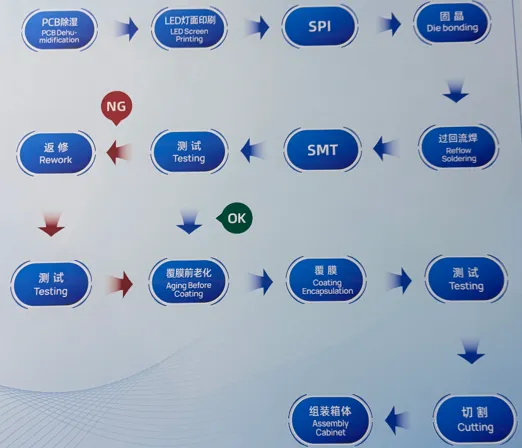
Original large PCB panels integrate dozens of display module units. High-precision cutting equipment separates large panels into independent modules of standard dimensions. Cutting accuracy directly affects flatness during cabinet assembly. Mini COB production lines adopt ultra-precise cutting machines to deliver smooth module edges and ultra-tight dimensional tolerances.
3.13 Cabinet Assembly
The final finishing process: Separated modules are assembled and debugged with power supplies, receiving cards, heat dissipation components and metal cabinet frames to produce complete LED display cabinets ready for delivery.
4. Technical Trend & Application Summary
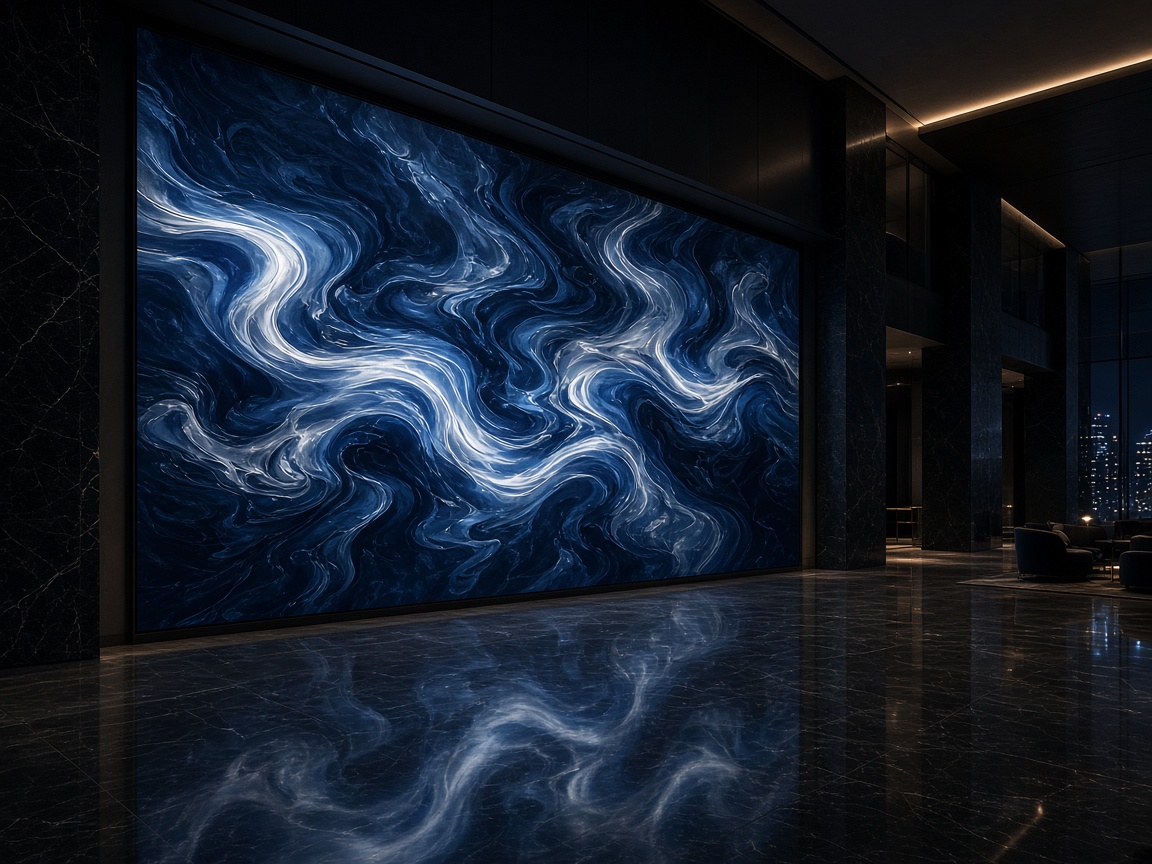
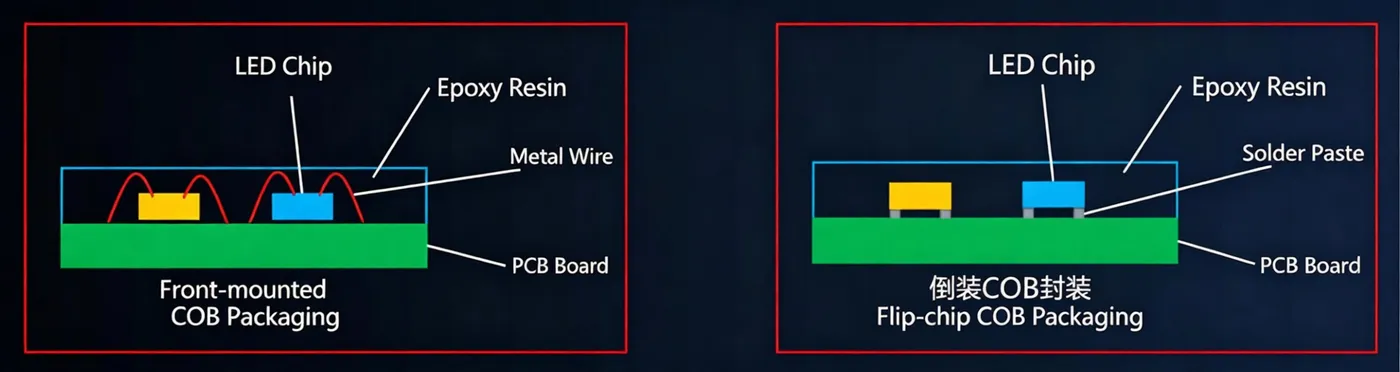
Front-mount COB features mature processes and controllable costs, holding a stable market share for conventional small-pitch display screens of P1.2 and P0.9. In contrast, flip-chip COB stands as the preferred solution for high-end scenarios such as high-end conference rooms, cinema large screens, XR virtual shooting and radio & television studios, thanks to its high reliability, high contrast and outstanding protective performance.
With continuous upgrading of packaging equipment precision and optimization of mass production processes, the production cost of flip-chip COB keeps declining while its market penetration rises rapidly. It represents the long-term mainstream evolution direction of LED display packaging technology.